
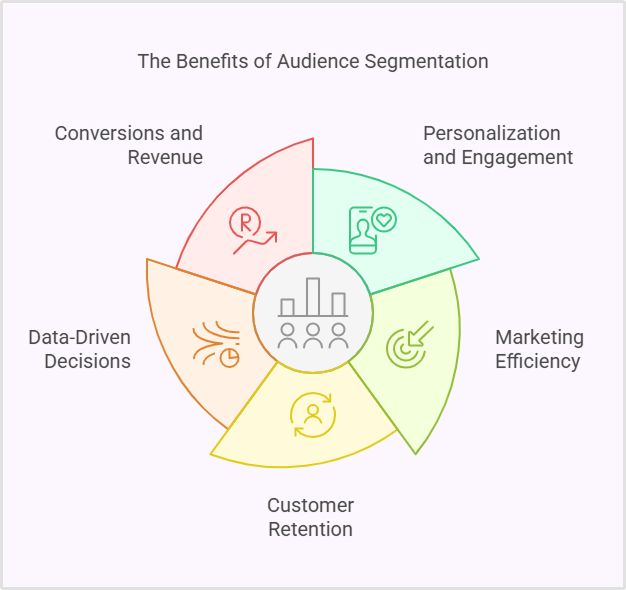
Mass marketing is officially dead.
In 2026, relevance wins — and relevance begins with audience segmentation.
At Creative Garage, we’ve seen one truth across industries:
👉 Brands that segment well spend less and convert more.
This guide breaks down:
- What audience segmentation is
- Why it matters in 2026
- How the best digital marketing agencies approach it today
What Is Audience Segmentation?
Audience segmentation is the process of dividing a broad audience into smaller, clearly defined groups based on shared characteristics.
Instead of speaking to “everyone,” you speak to:
- Someone with a specific problem
- In a specific context
- At a specific stage of intent
Segmentation transforms marketing from broadcasting to precision targeting.
Why Audience Segmentation Is Non-Negotiable in 2026
Let’s talk numbers:
- 📊 Personalized campaigns drive 80% higher engagement
- 📧 Segmented email campaigns generate 760% more revenue
- 💰 Marketers using segmentation report 60% lower CAC
(Source: HubSpot, Mailchimp, McKinsey)
This is why every serious “digital marketing agency near me” conversation today starts with audience clarity — not creatives.
Because creative without clarity is just noise.
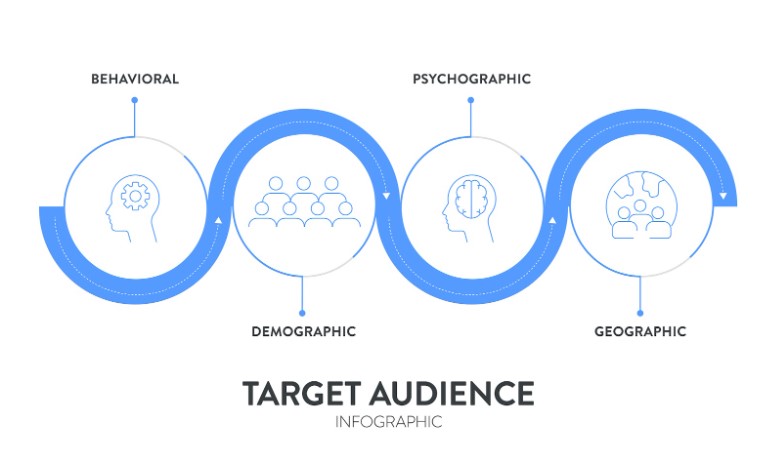
Types of Audience Segmentation (With Practical Examples)
1. Demographic Segmentation
Based on:
- Age
- Gender
- Income
- Education
- Occupation
Commonly used in:
- FMCG
- Education
- BFSI
📌 Still relevant — but not enough on its own.
Demographics tell you who someone is.
They don’t tell you why they buy.
2. Geographic Segmentation
Based on:
- Location
- Climate
- Culture
- Language
🔹 Localized campaigns increase CTR by up to 20%
(Source: Google)
This is critical for:
- Brands working with a digital marketing agency in Mumbai
- Regional campaigns
- Pan-India expansion strategies
Localization improves relatability — and relatability drives action.
3. Psychographic Segmentation
Based on:
- Values
- Lifestyle
- Beliefs
- Motivations
This is where brand storytelling meets performance marketing.
Heavily used by:
- Premium brands
- Lifestyle & D2C brands
- Experience-led services
Psychographics answer:
“What does this customer care about?”
And that changes everything.
4. Behavioral Segmentation
Based on real actions:
- Website visits
- Video watch time
- Past purchases
- Engagement patterns
🔹 Behavioral targeting improves conversion rates by 2–3x
(Source: Salesforce)
This is the backbone of high-performing digital marketing services.
Because past behavior predicts future action better than any assumption.
Best Practices for Audience Segmentation in 2026
1. Segment by Intent — Not Just Identity
Who they are matters less than why they’re searching.
Example:
- “What is SEO?” → Awareness Stage
- “Best digital marketing agency” → Decision Stage
Intent-based segmentation aligns messaging with buying readiness.
2. Keep Segments Actionable
If a segment doesn’t change:
- Messaging
- Creative
- Offer
- Media strategy
…it’s not useful.
Segmentation should drive decisions, not sit in a report.
3. Combine Data + Human Insight
Dashboards show what.
Human understanding explains why.
The strongest digital marketing companies combine both.
Data without insight is numbers.
Insight without data is assumption.
You need both.
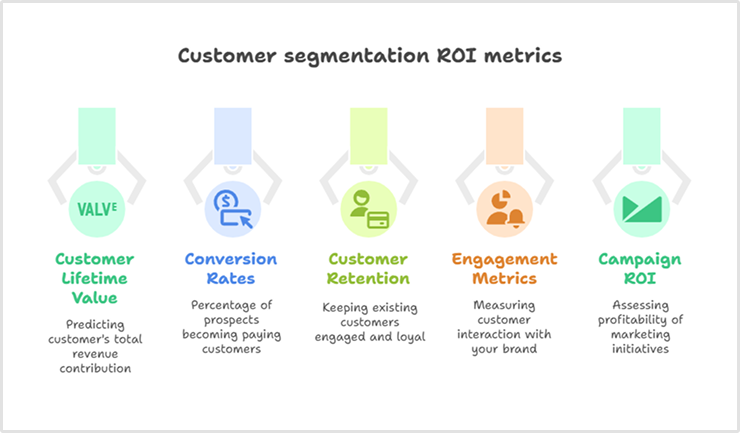
How Segmentation Directly Improves ROI
Brands using advanced segmentation experience:
- 📈 30–50% higher ROI
- 🔁 40% better retention
- ⏱️ Shorter sales cycles
(Source: Bain & Company)
Segmentation is not strategy support.
It is the strategy.
Everything else — SEO, paid ads, content, CRO — becomes more effective once the audience is clearly defined.
Final Thought
In 2026, marketing doesn’t fail because of bad ads.
It fails because of unclear audiences.
Whether you’re evaluating the best digital marketing agency or building in-house capabilities, segmentation is the foundation that determines everything downstream.
At Creative Garage, we don’t ask:
“What should we post?”
We ask:
“Who exactly are we talking to — and why?”
That’s where growth begins.
