
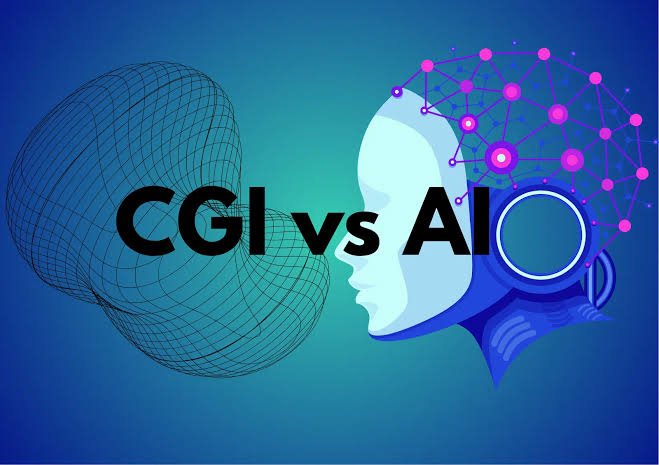
AI 3D CGI brand films are changing how companies communicate because they help brands show what cameras cannot easily capture. A product mechanism, factory process, medical explanation, futuristic visual world or impossible camera move can become simple, beautiful and memorable when the right technology is used with the right idea.
But the point is not to make a film look "AI-generated." The point is to make the brand story clearer, sharper and more valuable to the viewer.
The opportunity
For manufacturing, healthcare, real estate, FMCG and technology brands, some ideas are difficult to show through live action alone. How do you show a mechanism inside a product? How do you visualise a safety process? How do you explain a technical benefit without making the film boring? AI, 3D and CGI can solve these storytelling challenges.
Brands that invest in brand filmmaking now have access to tools that were once limited to large studios with massive budgets. The barrier to entry has dropped, but the need for strategic thinking has not.
But AI is not the idea
The biggest mistake brands can make is using AI or CGI only because it looks trendy. The format should make the story clearer, sharper or more memorable. If it does not improve understanding or recall, it is decoration, not strategy.
A visually stunning 3D render that confuses the viewer will always underperform a simpler film that communicates the value proposition in the first ten seconds. Technology must serve the narrative, not replace it.
Where AI, 3D and CGI work best
- Product mechanism explainers: Show internal components, assembly sequences or engineering details that live-action cameras cannot reach. See our product film portfolio.
- Factory and process visualisation: Simplify complex manufacturing corporate film workflows for investors, clients or training audiences.
- Medical or healthcare education: Visualise cellular processes, surgical procedures or drug mechanisms with accuracy and clarity.
- Real estate walkthrough concepts: Present unbuilt properties, interiors and amenities before construction begins.
- FMCG product worlds: Create stylised environments that bring ingredients, textures and product benefits to life.
- Impossible camera moves: Fly through a machine, dive into a molecule or orbit a structure in ways no drone or crane can achieve.
- Safety or technical demonstrations: Show hazardous scenarios or precision engineering without risk or physical limitation.
- Campaign visuals that need scale and imagination: Build worlds, characters and visual metaphors that live action alone cannot deliver. Explore our animation film portfolio for examples.
When the story demands visuals that cameras cannot capture, CGI film production becomes the most effective format to communicate complex ideas with clarity and impact.
Why this helps search and content too
In a market where 91% of businesses already use video, the next advantage is not simply making more films. It is making sharper, more useful films. Google's AI search guidance also points brands toward useful, crawlable content supported by strong images and video. This means a well-explained AI, 3D or CGI film can also support website content, search visibility and AI-answer relevance.
When a 3D or CGI film is embedded on a page with strong copy, structured headings, alt text and schema markup, it becomes a search asset — not just a visual one. This is where SEO services and video production must work together.
From Creative Garage's experience
From Creative Garage's experience, the brands that benefit most from AI, 3D and CGI are the ones that start with a clear communication problem. The goal is always to make the brand story clearer, whether that means showing a product mechanism, visualising a process, creating a futuristic treatment or building digital-first campaign assets.
We have seen 3D video work perform exceptionally well for manufacturing and industrial clients who need to explain complex machinery to non-technical buyers. The 3D format removes the noise of a real factory floor and focuses the viewer's attention on exactly what matters.
Our 3D design services are planned alongside live-action shoots, motion graphics and campaign distribution so the final output works across every touchpoint.
Best hybrid approach
The strongest work often combines live action, 3D, CGI and motion graphics. Live action brings realism and people. 3D brings clarity. CGI brings scale and imagination. AI can support ideation, visual exploration and faster content adaptation. The best format depends on the story, not the trend.
A corporate film production that opens with real footage of a factory floor, transitions into a 3D explainer of the product mechanism and closes with a human testimonial will almost always outperform a film that relies on a single format throughout.
This hybrid thinking also applies to campaign work. Experienced ad film makers in India know that a 15-second CGI hook can stop the scroll on social media while a longer live-action version builds trust on the landing page.
Performance and distribution
Creating a visually impressive AI or 3D film is only half the job. The film must be distributed correctly to deliver results. A 3D product explainer embedded on a product page can increase time-on-page and reduce bounce rate. The same film cut into a 10-second vertical clip can drive clicks on a performance marketing campaign.
Understanding corporate video conversion principles ensures that the investment in AI and CGI translates into measurable business outcomes — not just views. The film must be connected to the page around it, supported by strong copy, proof blocks and a clear contact route.
This is why we plan digital marketing, video production and website development as one integrated system.
Conclusion
AI, 3D and CGI are changing brand films, but the fundamentals remain the same: clear idea, strong story, relevant visuals and purposeful distribution. Technology should make the story easier to understand and harder to forget.
Related Reading
FAQs
How are AI, 3D and CGI used in brand films?
They are used to visualise product mechanisms, processes, futuristic concepts, technical benefits, safety demonstrations and impossible camera moves that live-action cameras cannot capture.
Is AI replacing live-action brand films?
No. The strongest films often combine live action, 3D, CGI, motion graphics and AI-supported visual planning based on the story requirement. Each format serves a different purpose.
When should a brand use CGI?
Use CGI when the story needs scale, imagination, product detail, technical clarity or visuals that are difficult or impossible to shoot in real life.
Can AI and CGI help SEO?
They can support SEO when the resulting film is embedded on a useful, crawlable page with strong copy, alt text, schema markup and internal links.
Does Creative Garage create AI, 3D and CGI-led films?
Yes. Creative Garage can develop AI, 3D, CGI and hybrid film ideas where the format improves clarity, recall and campaign impact.
Explore AI, 3D and CGI film ideas with Creative Garage
We'll help you identify where AI, 3D and CGI can make your brand story clearer, more memorable and more effective across every platform.
Book a consultation for your next AI or 3D film project and turn complex ideas into compelling visual stories.
